
$503K Reclassified on a Medical Office Building in Michigan
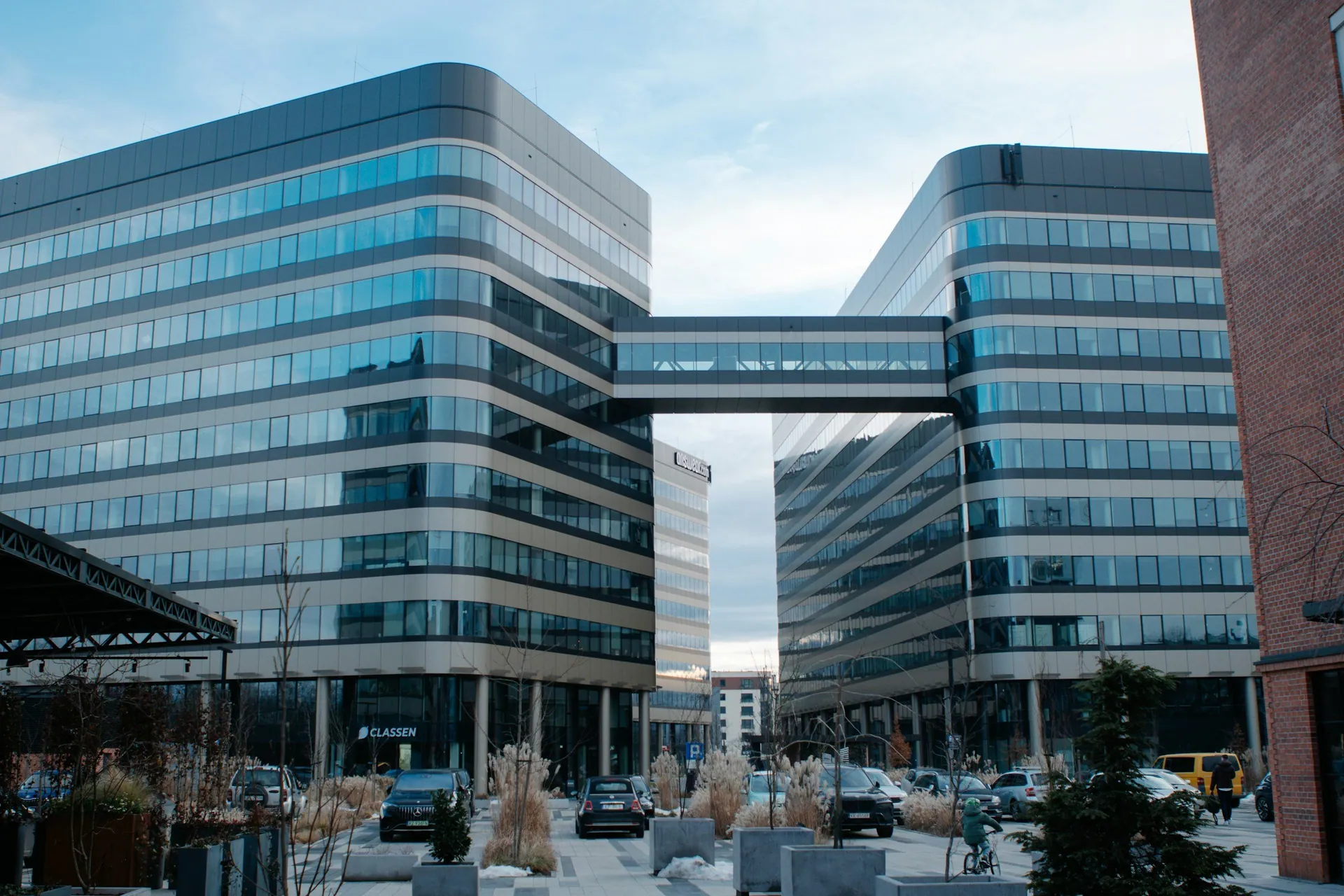
This medical office building in Michigan was built in 1973 and placed in service by its current owner in May 2023. A returning USTAGI client, the owner came back on their CPA's recommendation. The $1.99M purchase included $409K of land, leaving a depreciable basis of $1.58M.
- Purchase price
- $1.99M
- Depreciable basis
- $1.58M
- Reclassified
- $503K
- Share of basis
- 32%
The property and the result
The building had been depreciated over 39 years since 2023. A look-back study for the 2025 tax year, after an on-site inspection by USTAGI, moved $451K into 5-year property and $51K into 15-year property, a total of $503K or 32% of the basis.
Medical offices are heavy in 5-year property: dedicated electrical and plumbing for equipment, exam room casework and specialty flooring. The owner can claim the missed depreciation since 2023 on the 2025 return, without amending past returns.
How the purchase price was allocated
| Category | Amount | Share of price |
|---|---|---|
| Land (not depreciable) | $409K | 21% |
| 5-year property | $451K | 23% |
| 15-year property | $51K | 3% |
| Remaining 39-year building basis | $1.08M | 54% |
How it compares: this study reclassified 32% of the depreciable basis. Across 170 commercial studies USTAGI has completed, the median is 27.7%.
How the study was done
- Study type
- Detailed engineering study
- Inspection
- USTAGI on-site inspection with interior photos
- Cost data
- RSMeans construction cost data
- Timing
- Look-back study for the 2025 tax year
- Placed in service
- May 2023
- Depreciation before the study
- 39-year nonresidential
- Year built
- 1973
- Client
- Returning client referred by their CPA
What typically qualifies on a property like this
The study assigns each component of the building and site to its IRS recovery period. On a medical office building, these are the kinds of items that usually move off the 39-year schedule.
5-year property
- Dedicated electrical for medical and imaging equipment
- Dedicated plumbing for exam and treatment rooms
- Casework, cabinetry and countertops
- Specialty and removable flooring
- Data cabling and nurse call or security systems
15-year property
- Parking lot and paving
- Sidewalks and curbs
- Landscaping and site lighting
- Exterior signage
What this means at tax time
Because the property was placed in service in May 2023, the owner had been depreciating the entire building over 39 years. The study identified the components that belonged on 5- and 15-year schedules from the start.
Through a change in accounting method, generally filed on IRS Form 3115 with the 2025 return, the owner can claim the depreciation missed in earlier years as a single adjustment in the current year, without amending past returns.
The bonus depreciation rate that applies, if any, depends on when the property was acquired and placed in service, not on the year of the study. The owner's CPA applies the rules in effect for that date.
Questions about this case study
Exam and treatment rooms need dedicated electrical and plumbing for equipment, casework and cabinetry, and specialty flooring. These serve the medical use rather than the building itself, so they qualify for 5-year recovery.
Yes. This building dates from 1973. The study looks at the components in place when the current owner placed it in service and assigns each one its recovery period.
Yes. This owner did exactly that. A look-back study lets you catch up missed depreciation through an accounting method change on your current return, usually without amending past returns.
Cost segregation applies to property used in a trade or business or held for the production of income, so a practice that owns its building can benefit, as can an investor leasing to a practice.
Could your property see results like these?
Tell us about the property and we will estimate the benefit before you commit to anything.
Explore Your Property’s Tax Savings PotentialMore case studies
Results shown are from a completed USTAGI cost segregation study and are not a guarantee of future results. The client is not named, the location is shown by state and amounts are rounded. “Reclassified” is the depreciable basis the study moved into 5, 7 and 15-year property; it is not a tax-savings figure. Outcomes depend on each property and each owner’s tax situation. Consult your tax advisor about your situation.