
$2.26M Reclassified on a 35-Unit Apartment Complex in California
A returning USTAGI client bought this 35-unit apartment complex in California in mid-December 2025 and placed it in service the same day. Built in 1991, it sold for $8M, of which $2.4M, or 30%, was allocated to land. That is a high land share, which is common in California, and it left a depreciable basis of $5.6M.
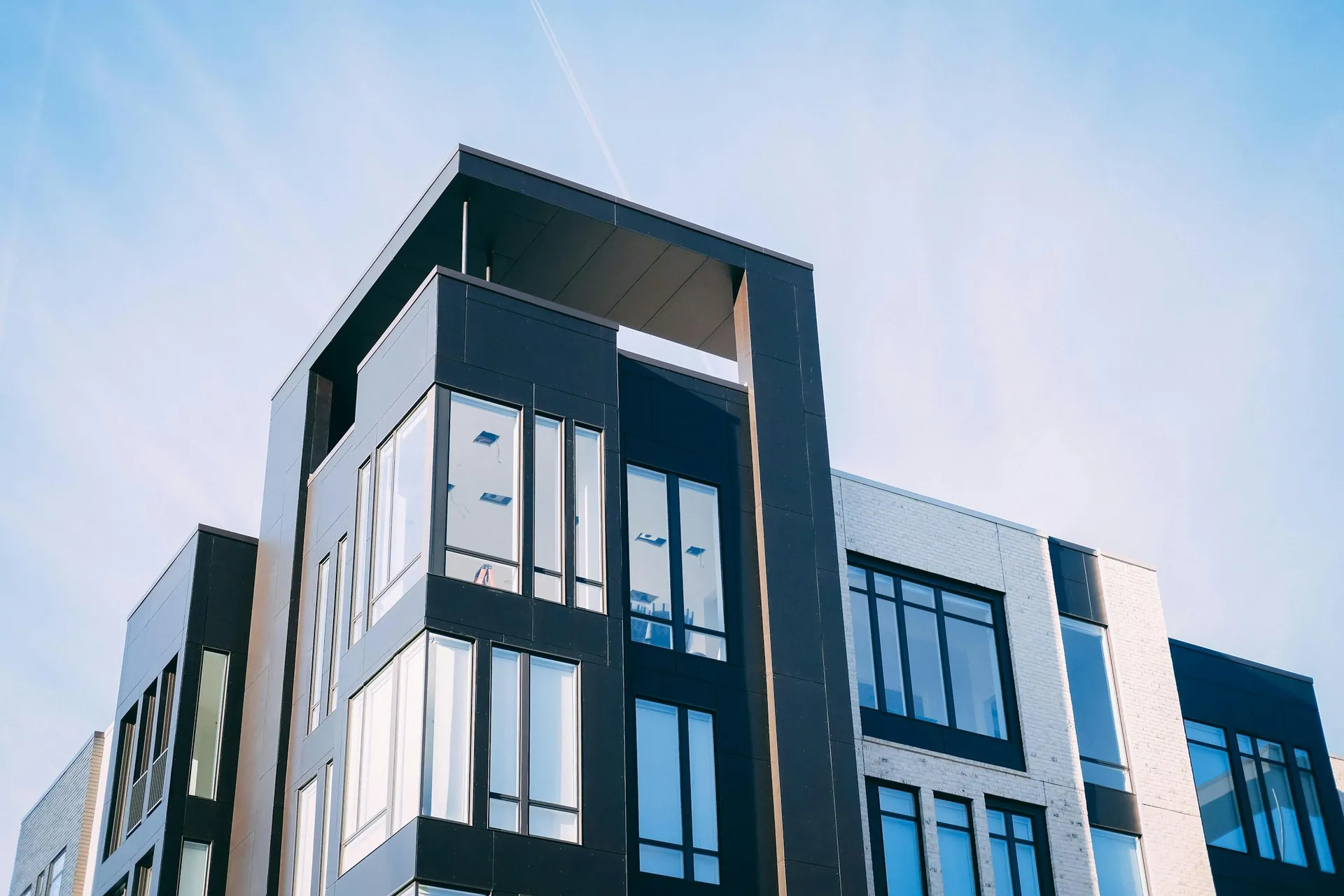
- Purchase price
- $8M
- Depreciable basis
- $5.6M
- Reclassified
- $2.26M
- Share of basis
- 40%
The property and the result
USTAGI inspected the property four days after closing, which kept the study on track for the 2025 return. The study moved $1.71M into 5-year property and $541K into 15-year property, a total of $2.26M or 40% of the basis, against a 24.8% median for USTAGI's multifamily studies.
Because the property was acquired in December 2025, after January 19, 2025, the reclassified 5- and 15-year property may qualify for 100% bonus depreciation, subject to applicable requirements.
How the purchase price was allocated
| Category | Amount | Share of price |
|---|---|---|
| Land (not depreciable) | $2.4M | 30% |
| 5-year property | $1.71M | 21% |
| 15-year property | $541K | 7% |
| Remaining 27.5-year building basis | $3.34M | 42% |
How it compares: this study reclassified 40% of the depreciable basis. Across 300 multifamily studies USTAGI has completed, the median is 24.8%.
How the study was done
- Study type
- Detailed engineering study
- Inspection
- USTAGI on-site inspection four days after closing
- Cost data
- RSMeans construction cost data
- Timing
- Same-year study for the 2025 tax year
- Placed in service
- December 2025
- Depreciation before the study
- 27.5-year residential rental
- Year built
- 1991
- Client
- Returning USTAGI client
What typically qualifies on a property like this
The study assigns each component of the building and site to its IRS recovery period. On a 35-unit apartment complex, these are the kinds of items that usually move off the 27.5-year schedule.
5-year property
- Carpet, vinyl and other removable flooring
- Kitchen cabinets, countertops and appliances
- Decorative and accent lighting
- Window treatments and millwork
- Dedicated electrical and plumbing for appliances and laundry
15-year property
- Parking lots, curbs and sidewalks
- Landscaping and irrigation
- Site lighting and fencing
- Pools, playgrounds and outdoor amenities
- Site drainage and signage
What this means at tax time
The property was acquired in December 2025, after January 19, 2025. Under federal legislation enacted in July 2025, eligible property acquired after that date may qualify for 100% bonus depreciation, subject to applicable requirements. Where it applies, the $2.26M of reclassified property can be deducted in the 2025 tax year instead of over 5 and 15 years.
Even without bonus depreciation, 5- and 15-year property is depreciated far faster than the 27.5-year building schedule, so more of the deduction lands in the early years of ownership. The remaining $3.34M of basis stays on the 27.5-year schedule.
Studying the property in the year it is placed in service means the faster schedules start on the first return, with no catch-up filing needed.
Questions about this case study
It reduces the depreciable basis, because land cannot be depreciated. In this case 30% of the $8M price went to land. The study then works on the remaining $5.6M, and it still reclassified 40% of that amount.
Yes. This complex was built in 1991. A study looks at the components in place when the owner places the property in service, whatever the building's age, and assigns each one its recovery period.
Here USTAGI inspected the property four days after closing. Starting early matters most for purchases late in the year, when the owner wants the study ready for that year's return.
Depreciation starts when the property is placed in service. A building placed in service in December 2025 can be studied for the 2025 tax year, and property acquired after January 19, 2025 may qualify for 100% bonus depreciation, subject to applicable requirements.
Could your property see results like these?
Tell us about the property and we will estimate the benefit before you commit to anything.
Explore Your Property’s Tax Savings PotentialMore case studies
Results shown are from a completed USTAGI cost segregation study and are not a guarantee of future results. The client is not named, the location is shown by state and amounts are rounded. “Reclassified” is the depreciable basis the study moved into 5, 7 and 15-year property; it is not a tax-savings figure. Outcomes depend on each property and each owner’s tax situation. Consult your tax advisor about your situation.